
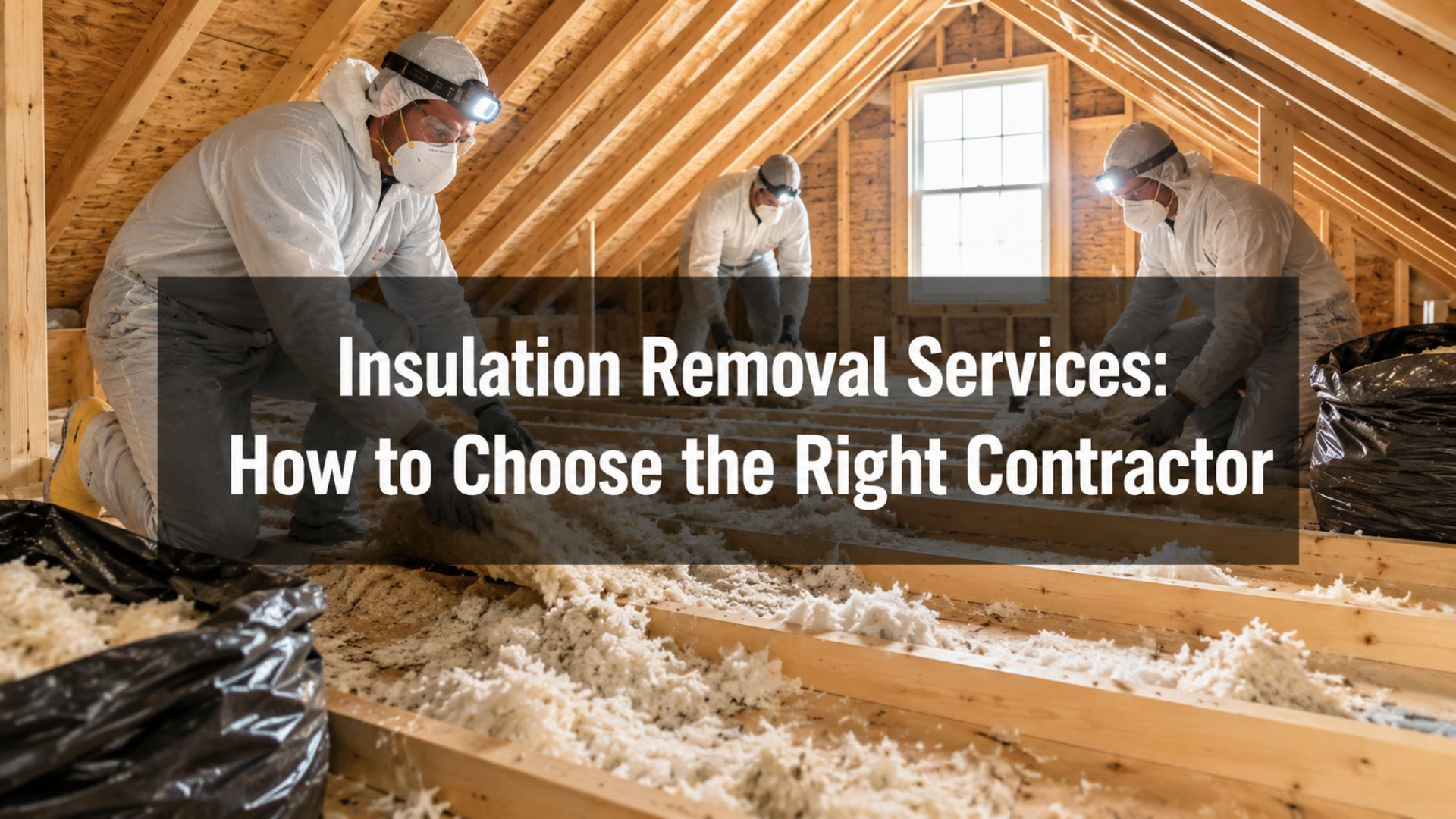
Old or damaged insulation can make your home feel drafty, raise energy bills, and stir up dust, odors, or allergens. If moisture, pests, or mold risk are involved, the job is more than pulling out a few batts from the attic.
The right insulation removal contractor knows how to contain dust, remove contaminated material, clean the space, seal gaps, and plan safe insulation replacement. This article explains how insulation removal services work and what to check before hiring help.
When Do You Need Insulation Removal Services?
Old insulation can hide problems long before you see them from the hallway. Watch for signs like:
- High energy bills
- Uneven room temperatures
- Drafts near ceilings, walls, or floors
- Musty smells
- Wet or compressed insulation
- Mold or mildew concerns
- Pest droppings or nesting
- Old insulation that no longer works well
- Smoke, fire, or water damage
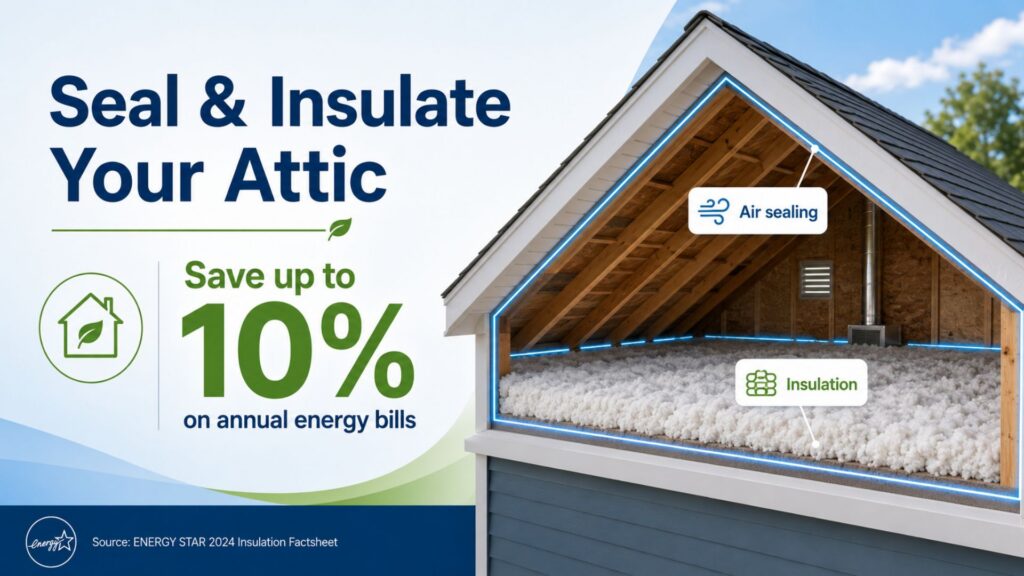
These issues typically mean the insulation is no longer doing its job. According to the ENERGY STAR 2024 Insulation Factsheet, sealing and insulating an attic can save homeowners up to 10% on annual energy bills. Still, new material should not always be added on top. If the old insulation is wet, dirty, or contaminated, it usually needs to be removed first.
A qualified insulation removal contractor can safely remove damaged material and prepare the area for new insulation if needed. At Atticrawl, we provide insulation removal services for both attics and crawl spaces affected by pest activity, moisture issues, aging materials, or other forms of damage.
Why Choosing the Right Contractor for Insulation Removal Matters
Insulation removal can look simple, but attic or crawl space work can turn messy fast. A rushed job can turn one dusty corner into a whole-home cleanup, especially when pests, leaks, or old blown-in material are involved. The main risks include:
- Dust and debris can spread through the home
- Rodent waste can affect indoor air quality
- Wet insulation can lead to mold problems
- Poor removal can leave hidden material behind
- Wrong disposal can create more work later
- DIY work can damage ceilings, ducts, wiring, or framing
Americans spend about 90% of their time indoors, and the EPA says some indoor pollutants can be 2 to 5 times higher than outdoor levels. That is why dust control, safe cleanup, and proper removal matter when old insulation is dirty, wet, or pest-contaminated.
A good insulation removal company does more than bag old material and leave. They inspect the space, protect floors and living areas, remove the material safely, clean after the job, and check what caused the damage. With professional attic insulation removal, the area is also prepared for new insulation, so the same problem does not come back.
What to Look for in an Insulation Removal Contractor
Not all insulation removal contractors offer the same level of service, equipment, or expertise. Before hiring a company, take a close look at the factors below to help you choose a contractor who can handle the job safely and thoroughly.
Experience With Attics and Crawl Spaces
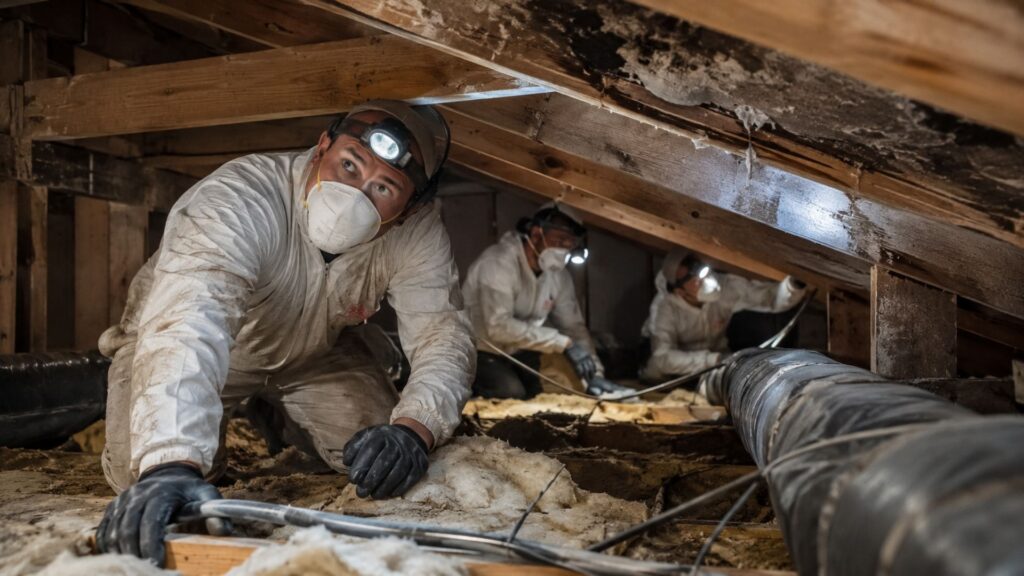
Choose a contractor that works in these spaces every day. Attics and crawl spaces are tight, dusty, and often hard to move around in. They may also have poor lighting, pest damage, moisture, loose wiring, or hidden roof leaks. This is why experience matters.
A general handyman may remove what is easy to see, but miss the stuff packed behind joists, ducts, or corners. Atticrawl specializes in attic and crawl space services, so we know how to spot the issues that often sit behind the mess.
Licensing, Insurance, and Safety Steps
Ask if the contractor is licensed and insured before the work starts. Also, ask how they protect your home from dust, loose fibers, and debris. A safe attic insulation removal service should use protective gear, dust control steps, and a plan for keeping living areas clean.
For example, Atticrawl is licensed, bonded, and insured. This gives homeowners added peace of mind when work is being done in their attic or crawl space.
Proper Equipment
Professional removal often needs more than gloves and trash bags. Blown-in insulation usually calls for industrial vacuum systems, while batt insulation may need careful bagging and removal by hand.
The right tools help the crew work faster, cleaner, and safer. This is especially important for old attic insulation removal, where the material may be dusty, packed down, or contaminated.
Cleanup, Sanitation, and Disposal
Ask if cleanup and disposal are included in the quote. If rodents were present, sanitation may also be needed to deal with droppings, odors, and bacteria. We, at Atticrawl, also offer attic cleaning, sanitation, and rodent proofing, which can help when insulation has been damaged by pests.
Clear Quotes and Before-and-After Proof
Good attic insulation removal contractors should inspect the space, explain the problem, show what needs to be done, and give a clear quote.
Before-and-after photos are helpful because they let homeowners see exactly what was removed and whether any hidden issues were found. They also provide a clear record of the work completed, which can be especially helpful if new insulation will be installed afterward.
Checklist: Questions to Ask Before Hiring a Contractor
Before you choose a contractor, treat the estimate like a home checkup, rather than just a price tag. Here are some important questions to ask before hiring. The answers can help you identify who is careful, clear, and prepared for the job.
- Do you inspect the attic or crawl space before giving the final quote?
- Are you licensed and insured?
- What type of insulation will you remove?
- How do you control dust and debris?
- Do you handle pest-contaminated insulation?
- Will you clean and sanitize the space after removal?
- Do you seal air gaps or pest entry points?
- Do you install new insulation after removal?
- What is included in the price?
- How long will the project take?
- Do you provide photos of the completed work?
These questions help you compare contractors beyond price. For example, one company may only remove old material, while another may also handle attic insulation removal and replacement, cleanup, sealing, and removing insulation from crawl space areas.
That full scope matters when the insulation is damaged, dirty, or unsafe.
Why the Cheapest Contractor Is Not Always the Best Choice
The cheapest contractor is not always the best choice because a low price can leave out important parts of the job. Insulation removal affects more than your wallet. It can impact air quality, energy use, comfort, and home safety.
If the price is too low, it may not include cleanup, sanitation, disposal, air sealing, or pest proofing. That can leave you with dust, odors, hidden damage, or another repair bill later. When comparing the attic insulation removal cost, look at the full scope of work, rather than just the final number.
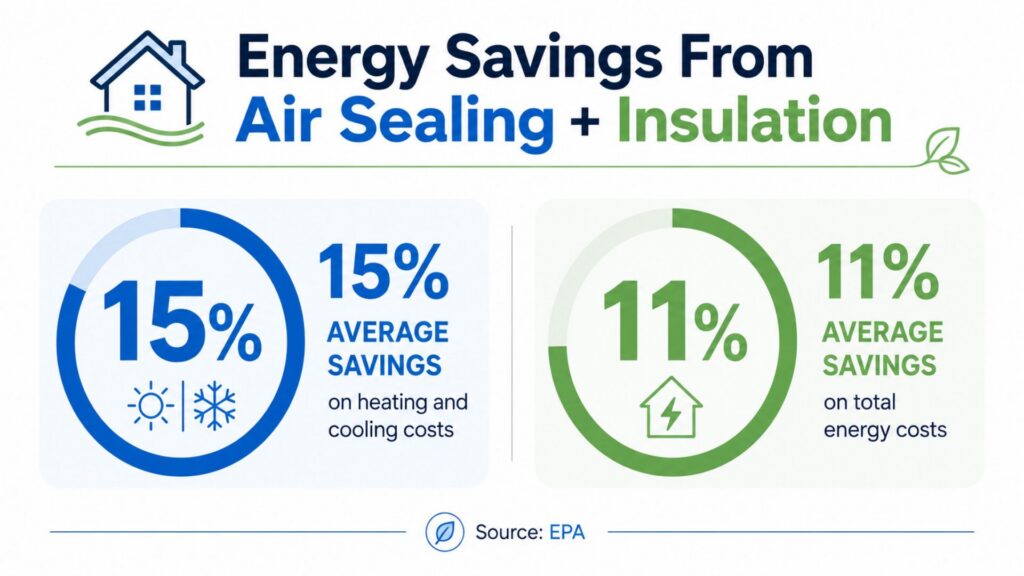
The EPA says homeowners can save an average of 15% on heating and cooling costs, or 11% on total energy costs, by air sealing and adding insulation. That is why the best value often comes from a team that can remove old insulation, clean the area, check for gaps or leaks, and prepare the space for new material.
Need Insulation Removal? Here’s How Atticrawl Can Help
Atticrawl serves homeowners across New Jersey and Eastern Pennsylvania with insulation removal and related attic and crawl space services. This is helpful because damaged insulation rarely comes alone. It may be tied to pests, odors, moisture, air leaks, dirty ducts, or poor ventilation.
Our services include:
- Insulation removal
- Insulation installation
- Attic cleaning
- Sanitation
- Rodent proofing
- Air gap sealing
- Crawl space insulation
- Crawl space cleaning
- Vapor barriers and crawl space encapsulation
- Duct repair and replacement
That means we can look at the whole space, rather than just the insulation sitting on top. For homeowners searching for insulation removal near me, Atticrawl is a good fit when the job needs more than basic removal.
If an attic has pest droppings, musty smells, water damage, or gaps where air and rodents can enter, our team can help address those related issues before new insulation is installed.
We also take the time to explain the recommended work and what is included, so homeowners know exactly what to expect before the project begins.
Call us today at 800-682-1602.
FAQs
How to Remove Insulation from Attic?
The safest way is to have a professional inspect the attic first. The right removal method depends on the insulation type and whether there is dust, water damage, mold, or pest contamination. Blown-in insulation is often removed with a high-powered vacuum, while batt insulation is usually bagged and removed by hand.
How Long Does Attic Insulation Last?
Attic insulation usually lasts 15 to 30 years, depending on the material, moisture levels, pest activity, air leaks, and installation quality. Some materials can last longer if they stay dry and undisturbed. However, insulation may need removal sooner if it becomes wet, compressed, dirty, moldy, or contaminated.
Is Crawl Space Insulation Necessary?
Yes, crawl space insulation can help reduce cold floors, drafts, moisture problems, and energy loss. It can also help make the home more comfortable. The right setup depends on the crawl space condition. Some homes may also need a vapor barrier or encapsulation to help control ground moisture.
What Is the Best Way to Remove Insulation?
The best way is to hire a trained contractor who can remove the insulation safely, protect your home from dust, dispose of the material correctly, and clean the space after removal. If pests, mold, or water damage are present, sanitation, sealing, or extra repairs may also be needed.



Recent Comments